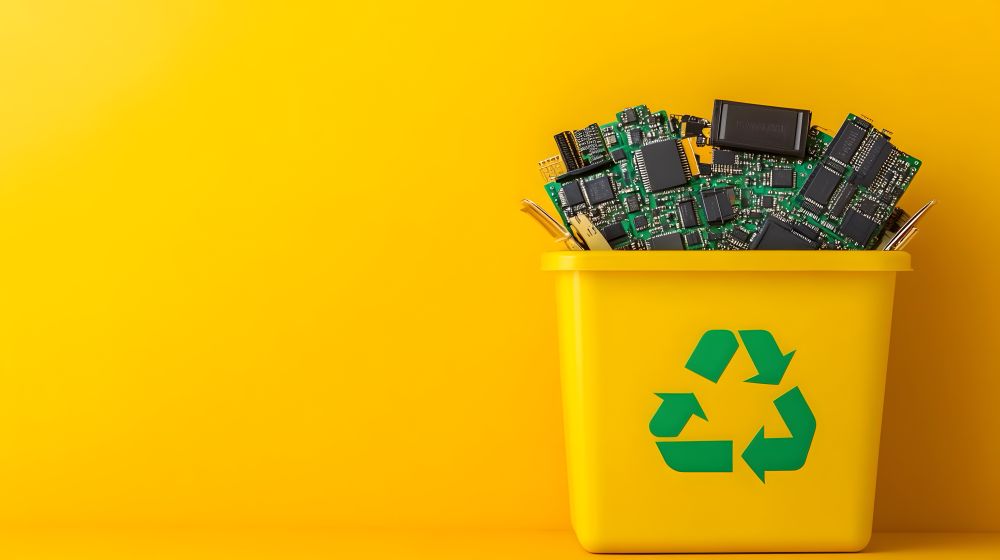
Most Singaporeans do not know how to recycle electronics properly, and this ignorance costs us dearly. We accumulate old devices in storage cupboards, toss small appliances into regular bins, or leave broken televisions in common areas hoping someone else deals with them. But electronic waste is not someone else’s problem. It is everyone’s problem, and the consequences of mishandling it reach further than most of us imagine.
The Scale of What We Throw Away
Singapore generates 60,000 tonnes of electronic waste annually. That works out to 11 kilogrammes per person, or roughly 73 mobile phones worth of waste for every resident each year. Washing machines account for 32 per cent of this waste, refrigerators another 27 per cent, televisions 22 per cent.
For years, only 6 per cent of this electronic waste was recycled. The rest entered general waste streams, sat in storage, or was abandoned improperly. Some items were incinerated, releasing toxins. Others leaked heavy metals into soil and water.
Inside every electronic device sits a complex mixture of materials. Some are valuable. A typical mobile phone contains gold, silver, copper, and palladium. But these same devices also contain lead, mercury, and other substances that poison ecosystems when released carelessly.
How the Rules Changed
In 2021, Singapore’s government fundamentally restructured how we handle electronic waste. The Resource Sustainability Act introduced Extended Producer Responsibility, shifting the burden from consumers to companies profiting from electronics sales. The National Environment Agency now requires that “producers of regulated electrical and electronic products will be made responsible for the collection and proper treatment of their e-waste.”
This matters because it changes who pays. For decades, manufacturers made money selling us refrigerators and laptops, then walked away when those items needed disposal. Now, producers must finance collection systems and meet mandatory targets: 60 per cent of large appliances recycled, 20 per cent of smaller electronics.
The regulations also require that retailers “provide free one-for-one take-back services during delivery.” When you buy a new washing machine, the retailer must collect your old one at no charge. This removes both the financial barrier and the logistical obstacle that previously prevented proper recycling.
Where to Actually Take Your Electronics
The new system created pathways designed for real people living real lives:
In-Store Collection Points
Large retailers with floor space over 300 square metres maintain collection points inside their stores. Drop off batteries, lamps, and small electronics whilst doing your regular shopping.
Free Delivery Collection
Purchase a new refrigerator, air conditioner, or television, and the delivery crew collects your old one. No fees, no arguments, no excuses.
Public E-Waste Bins
Hundreds of dedicated bins sit in shopping centres, community facilities, and public spaces. They accept smaller items like mobile phones, chargers, and portable electronics.
Community Collection Drives
Quarterly neighbourhood events provide opportunities to dispose of larger quantities of electronics, often paired with education about why proper recycling matters.
What Happens After Collection
When you recycle electronics through official channels, licensed facilities receive your items. Workers dismantle devices systematically, separating valuable materials for recovery. Gold, silver, and copper get extracted and refined. Plastics are processed for reintroduction into manufacturing. Hazardous materials receive treatment that prevents environmental release.
This process protects both resources and health. Every tonne of electronics recycled reduces demand for mining new materials. Every device handled properly is one less source of toxic contamination.
Before You Recycle
Not every device needs recycling immediately. Repair extends useful life and reduces waste. Community repair initiatives connect people with volunteers who fix broken items for free. That mobile phone with the cracked screen might cost less to repair than replace.
If your device works but you want something newer, consider donation. Charitable organisations need functional electronics. A phone you consider outdated might serve someone else perfectly well for years.
Why Individual Choices Matter
Singapore invested substantial resources building this recycling infrastructure. Collection points are accessible. Services are free. Regulations are enforced. But infrastructure alone changes nothing if people do not use it.
Every mobile phone recycled properly recovers precious metals and prevents toxic contamination. Every phone thrown in the regular bin wastes resources and risks environmental harm. Multiply these choices across millions of residents, and the cumulative effect becomes enormous.
The technology industry bears responsibility for designing products with planned obsolescence and creating waste streams faster than recycling can manage. Regulations that shift collection costs to producers help, but they do not solve the deeper problem of overconsumption.
What individuals can control is what happens to electronics when we finish using them. We cannot stop planned obsolescence, but we can ensure our discarded devices enter proper recycling channels. We cannot force manufacturers to design more durable products, but we can choose repair over replacement when possible.
Moving Forward
The infrastructure exists. The regulations are enforced. Collection is convenient and free. What remains is whether residents actually use these systems. The next time you have an old mobile phone in your drawer, a broken kettle under your sink, or a television you want to replace, you know where these items belong.
Your decision matters more than you might think. Multiply one properly recycled phone across thousands of people, and you get meaningful resource recovery and pollution prevention. Singapore has built the system. Now we must use it. When you have old devices ready for disposal, take the time to recycle electronics properly.