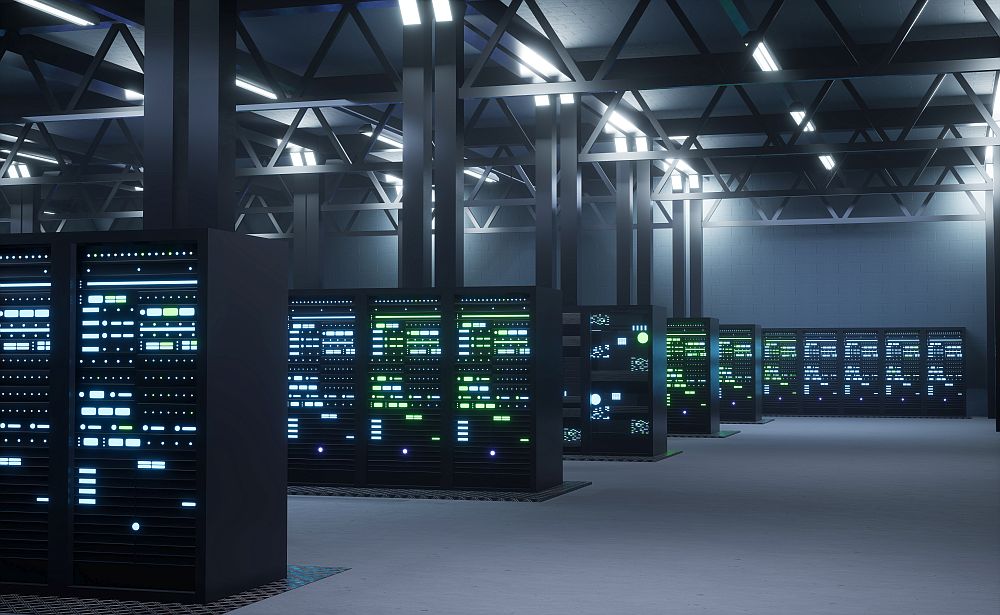
CITEC stands at the forefront of Singapore’s remarkable transformation into Asia’s premier data centre hub, where tropical heat meets cutting-edge technology in an increasingly precarious balance. In a nation where temperatures soar above 30 degrees Celsius year-round and humidity levels hover persistently near saturation, the challenge of keeping mission-critical IT infrastructure cool and powered has become nothing short of monumental. What emerges from this collision of climate and technology isn’t merely an engineering problem, it’s a defining test of whether Singapore can sustain its ambitious digital future.
The Climate Crisis Hiding in Plain Sight
Singapore’s tropical environment presents a paradox that few fully appreciate: the very conditions that make the island nation attractive for business also threaten to undermine its technological infrastructure. Data centres, those vast warehouses of humming servers that power our digital lives, generate enormous amounts of heat. In temperate climates, this poses manageable challenges. In Singapore’s relentless heat and humidity, it becomes an existential threat to the billions of dollars worth of equipment that process everything from banking transactions to social media posts.
The statistics are sobering. A typical data centre consumes as much electricity as a small city, with nearly 40% of that energy devoted to cooling systems. When external temperatures rarely drop below 25 degrees Celsius and relative humidity regularly exceeds 80%, traditional cooling approaches simply buckle under the strain. This is where precision engineering becomes not merely beneficial but absolutely essential for survival.
Engineering Solutions for an Unforgiving Environment
The expertise that CITEC brings to Singapore’s data centre industry reflects decades of understanding tropical challenges that would confound engineers from more temperate regions. Their precision air conditioning systems don’t simply cool air, they create carefully controlled microenvironments where temperature fluctuations measured in fractions of degrees can mean the difference between optimal performance and catastrophic failure.
Consider the sophisticated technology required to maintain server rooms at precisely 20-22 degrees Celsius when outside temperatures routinely exceed 35 degrees:
-
Advanced refrigeration systems that operate efficiently despite extreme ambient temperatures and high humidity levels
-
Precision humidity control that prevents condensation whilst maintaining optimal operating conditions for sensitive electronic components
-
Redundant cooling paths that ensure continuous operation even when primary systems require maintenance or unexpected failures occur
-
Energy-efficient designs that minimise environmental impact whilst delivering reliable performance in challenging conditions
The engineering behind these systems represents a remarkable achievement in applied thermodynamics, yet most people remain blissfully unaware of the invisible infrastructure that enables their digital lives.
The Hidden Infrastructure of Digital Singapore
Singapore’s Smart Nation initiative depends entirely on data centres that most citizens never see and rarely consider. Behind every seamless mobile payment, every instant message, every streaming video lies a vast network of servers that must operate continuously at optimal temperatures. The failure of cooling systems doesn’t simply cause inconvenience, it can trigger cascading failures across entire digital ecosystems.
CITEC Singapore recognises that precision cooling represents far more than temperature control. Their integrated solutions address the complex interplay between thermal management, power protection, and environmental monitoring that keeps Singapore’s digital infrastructure functioning reliably. When server farms across the island maintain perfect operating conditions day after day, year after year, it enables the confidence necessary for aggressive digital transformation initiatives.
Sustainability in an Energy-Intensive Industry
The environmental implications of data centre cooling extend far beyond immediate energy consumption. Singapore has committed to ambitious carbon neutrality goals, yet the nation’s growing role as a regional data centre hub creates tension between economic opportunity and environmental responsibility. Traditional cooling approaches consume vast amounts of electricity, much of it generated through carbon-intensive processes.
This challenge has driven innovation in sustainable cooling technologies that CITEC continues to advance. Thermal energy storage systems can shift cooling loads to off-peak hours when electricity generation produces fewer emissions. Advanced heat recovery systems can capture waste heat for beneficial uses rather than simply exhausting it to the atmosphere. These innovations don’t merely reduce environmental impact, they create competitive advantages for forward-thinking organisations.
The Economics of Precision Infrastructure
Investment in quality cooling infrastructure requires substantial upfront capital, yet the economics overwhelmingly favour comprehensive solutions over penny-wise approaches. A single cooling system failure can damage millions of dollars worth of equipment whilst triggering service disruptions that cost far more than the infrastructure investment required to prevent them.
The mathematics become even more compelling when considering operational efficiency. Precision cooling systems typically operate at significantly higher efficiency levels than traditional approaches, reducing ongoing electricity costs whilst providing superior environmental control. Over the typical 10-15 year lifespan of data centre infrastructure, these efficiency gains compound into substantial cost savings.
Future-Proofing Singapore’s Digital Infrastructure
As Singapore continues evolving toward greater digital dependency, the cooling challenges will only intensify. Emerging technologies like artificial intelligence and quantum computing generate unprecedented heat loads, whilst increasing data processing demands require ever-greater computing density. The organisations that recognise these trends and invest in appropriate infrastructure today position themselves for sustained success tomorrow.
The expertise that companies like CITEC Singapore bring to these challenges becomes increasingly valuable as technical requirements grow more demanding. Precision cooling isn’t simply about maintaining current operations, it’s about creating the foundation for technologies that don’t yet exist but will soon transform how we work, communicate, and live.
Singapore’s remarkable success as a global technology hub depends on countless invisible systems that work flawlessly behind the scenes. From precision air conditioning that maintains optimal server temperatures to uninterruptible power supplies that prevent data loss during electrical fluctuations, the infrastructure that enables digital transformation requires expertise, investment, and unwavering attention to detail. For organisations ready to build tomorrow’s technology infrastructure today, the proven solutions and deep expertise available through CITEC provide the essential foundation for sustained digital success.